
It is easy to view African Cinema as a venture that was created, promoted, and sustained by the efforts of male directors and producers. The lack of documentation and celebration of the contribution of women is almost criminal, especially when one begins to discover just how integral these efforts were. From writing and editing to producing and directing, women are ever present in the story of African film, albeit within a chapter that seems to be constantly skipped.
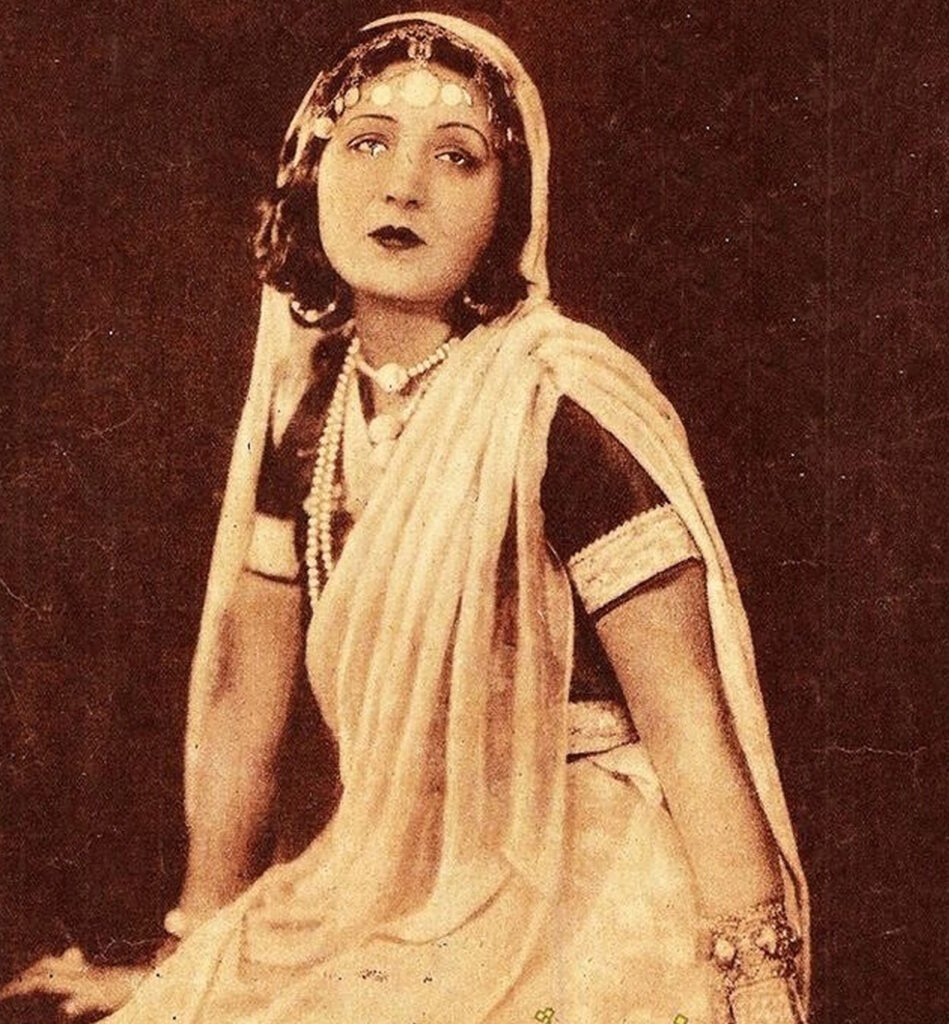
Albert Samama Chikly’s Zohra (1922), which is widely considered to be the first indigenous African production, was written by his 16-year-old daughter, Haydée Chikly, who also starred in the main role. Haydée could very well have become the first African screenwriter to have her film produced, and at 18, her prodigious journey continued when she wrote and starred in The Girl from Carthage (1924) which was directed by her father once again. In the neighboring Egypt, Aziza Amir gave the country its first indigenous film when she solely produced Laila (1927), and she went on to write, produce, and star in many other films during her lifetime. While women were involved in North African cinema from its inception, the case in sub-Saharan Africa was quite different.
The pioneering Cameroonian director, Thérèse Sita-Bella, made Tam-Tam à Paris in 1963 which was screened at the inaugural edition of FESPACO, and the documentary is widely considered to be the first film made by a sub-Saharan African woman. Although the film was made the same year that Sembène made Borom Sarret, it wasn’t until 1975 that a feature length film was made by a woman from the region. Safi Faye’s Kaddu Beykat was a truly pioneering venture, and it was released around the start of a period that the United Nations designated to be the Decade of the Woman (1975-85).
It was during this decade that a considerable army of women filmmakers emerged within the sub-Saharan region of the continent, including Kenya’s Jane Munene-Murago and Anne G. Mungai, Mariama Hima (Niger), and Léonie Yangba Zowe (Central African Republic). The efforts of these women inspired a generation that followed immediately after, and by the 90s, there was a considerable network of women filmmakers in this part of Africa. Fanta Régina Nacro (Burkina Faso), Anne-Laure Folly (Togo), Tsitsi Dangarembga (Zimbabwe), and Amaka Igwe (Nigeria) all made their first films between the late 80s and 90s.
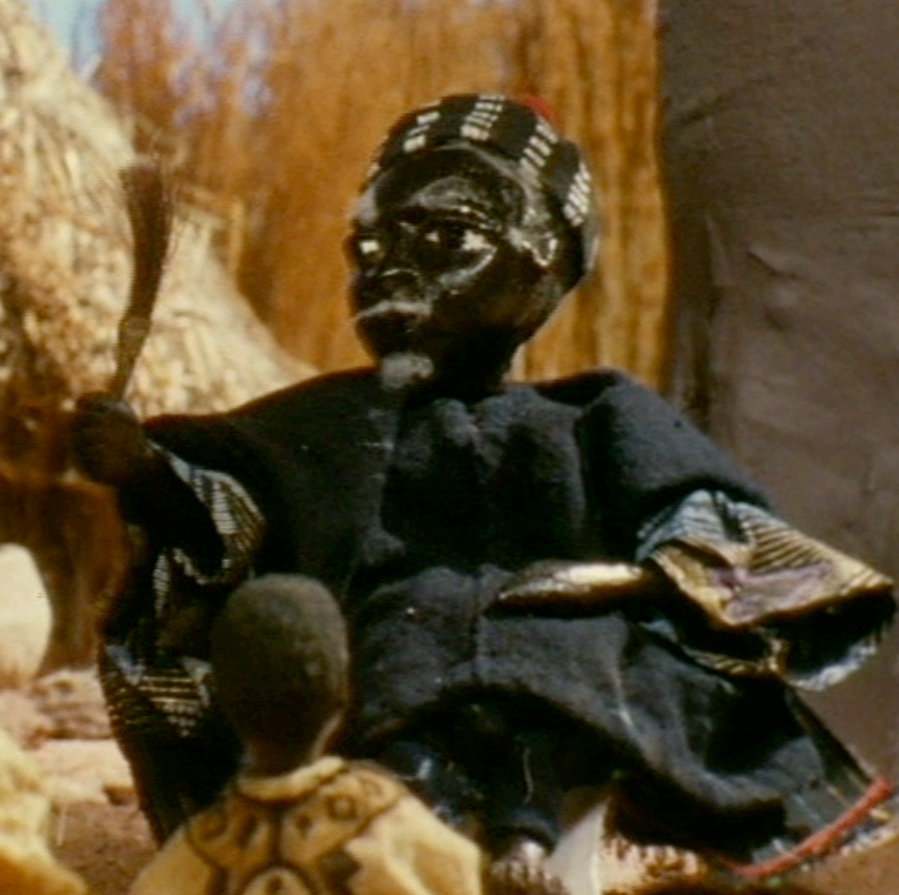
While most of them chose to or had to make short films, documentaries, and ethno-fiction films, some were making feature length fiction narratives, and a few, like Kadiatou Konaté (Mali), were carving a niche for themselves in techniques like animation. Konaté’s 1993 animated short film L’Enfant Terrible was quite unique for its time, and its use of puppets in telling a traditional African tale was so interesting and effective that one can only lament the fact that the film has fallen into obscurity.
Initially, African women were relegated to roles that were regarded to be suitable for women in filmmaking such as scriptwriting and editing, with Sita-Bella commenting: “Camerawomen in the 1970s? At that time we were very few… But you know cinema is not a woman’s business.” The women excelled exceptionally in these roles, and by the time they went on to direct films, they already had considerable experience working in other capacities on film productions. Thus, they were able to take advantage of a system that had been designed to limit their output, because when they eventually began directing films, they could bring various competencies to their projects. For instance, Moufida Tlatli was able to double as the editor on the production of her directorial debut, The Silences of the Palace (1994), since she had worked extensively in that capacity on other films.
The contribution of African women in the diaspora must also be highlighted. Before Kaddu Beykat, Sarah Maldoror’s Sambizanga (1972) had shown the sort of unique perspectives that could accompany the efforts of an African woman behind the camera. Similarly, the animated works of Cilia Sawadigo, the films of Ngozi Onwurah, and films such as Julie Dash’s Diary of an African Nun (1977), and Gloria Rolando’s Oggun: An Eternal Presence (1991) all helped to strengthen the position of the African woman director even though some of these films were made outside the continent.
While the men who dominated filmmaking in Africa made commendable efforts to tell the African story and represent women in their films, the dearth of women filmmakers meant that a crucial perspective to this story was lacking. When women began making films, they seized the opportunity to amplify their voices and champion their causes, and it was no surprise that many territories responded to such bold and unapologetic filmmaking with cruel censorship efforts.
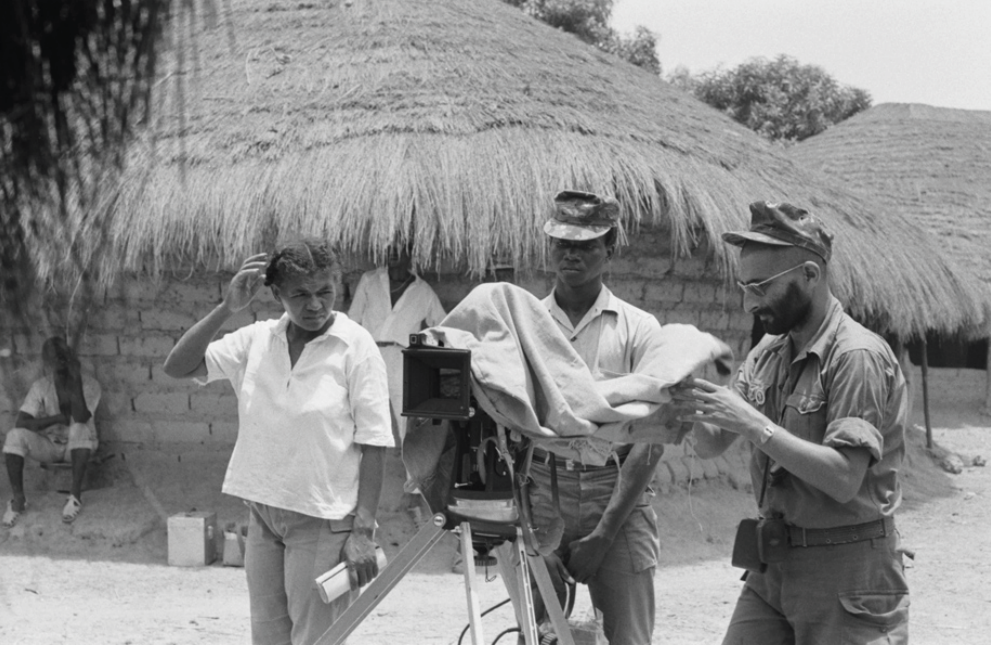
Maldoror’s Des Fusils Pour Banta (1970), which was financed by the Algerian government, was confiscated after she made demands to have full control over the editing process, and the reels have never been returned or released. Kaddu Beykat was banned in Faye’s native Senegal on release, Salma Baccar’s Fatma 75 (1975), which has been described as a feminist essay, remained banned for over 30 years by the Tunisian government and has never been released for commercial viewing, and the provoking works of Inas El Degheidy were subjected to various censorship demands by the Egyptian government.
Currently, women enjoy a much wider presence in all facets of African cinema, and while there are still many obstacles and challenges peculiar to the experience of women, immense progress has been made and the future looks bright. For instance, four of the five highest grossing films at the Nigerian box office were directed by women, with a host of other territories boasting critically and commercially successful films made by women. The exploits of filmmakers from the diaspora continue to further the cause, with Mati Diop’s Dahomey (2024) earning the Golden Bear at the 74th Berlinale and Ramata-Toulaye Sy’s Banel et Adama (2023) competing for the Palme d’Or at the 76th Cannes Film Festival.
While the exploits of the women currently working in the African film industry must be celebrated, we must not forget those of the ones that came before. Many of them did not receive the recognition that they deserved during their careers, and it is imperative to intensify efforts aimed at amplifying and celebrating their pioneering achievements.
Note: The works of Beti Ellerson and Lizelle Bisschoff were invaluable to the author during research for this post.

